Jump Up and Down, Look Amazed: My Day Inside the Game Show Happiness Machine
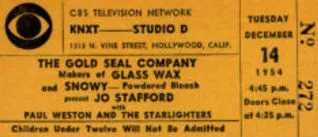
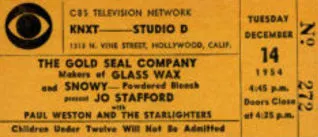
Photo: CBS Television, Public domain, via Wikimedia Commons
The Line Outside the Happiness Factory
The email said to arrive by 9:15 a.m. for a 1 p.m. taping, which should tell you everything about how this industry works. So there I was, standing on a Burbank sidewalk at 9:02 with a couple hundred strangers, all of us clutching our printed confirmations like boarding passes to somewhere better.
I'd been to tapings before, decades back, when a friend and I took a bus into Hollywood on a lark. What struck me this time wasn't how much things changed. It's how much they hadn't. Same folding chairs. Same nervous production assistants with clipboards. Same guy behind me whispering, "I think we're getting paid for this," when in fact nobody gets paid except in studio parking validation and the vague promise of seeing yourself as a blur on national television.
The Warm-Up Comic Is the Hardest Working Man in Show Business
Before the host ever walks out, a warm-up comic has the job of teaching you how to be an audience. This fellow — bless him — worked the crowd for a solid forty minutes, learning names, roasting a man in a Kansas City Chiefs jersey, and explaining the sacred math of television laughter.
"When you hear 'applause,' you clap like your team just scored," he told us. "When you hear the music sting, you cheer. And when the contestant wins the car? You lose your minds. Can you do that for me?" Two hundred sleepy adults nodded like kindergartners.
Here's the thing: he was good. Genuinely funny, working without a net, doing crowd control and stand-up simultaneously. If you want to see a real test of comedy chops, skip the Netflix special and go watch a warm-up comic win over a room of jet-lagged tourists who mostly came for the free t-shirt.
Jump Up and Down, Look Amazed
Then came my favorite part of the whole day, the part I think about at odd moments. The producers had us practice our "celebration" — arms up, jumping, screaming — for the cameras. Not because anything had happened. Just so the footage existed.
We jumped. We screamed. We did it again because the first take "felt flat." A woman next to me, maybe seventy, jumped with the enthusiasm of a woman half her age, and when we finished she turned to me and said, "I haven't done that since the Rolling Stones in '78." We were friends after that. That's the trick of it. Nobody walks into a studio audience as friends, but you leave that way.
Fake Applause, Real Feelings
Now, the cynical read here writes itself. Everything is staged. The excitement is manufactured. The contestants are coached, the reactions are prompted, the joy is a product. I get it. I've spent plenty of column inches rolling my eyes at manufactured television moments.
But sitting in that room, something else happened. When the nice young man from Ohio actually did win the bonus round — for real, no rehearsal — the place came unglued. Not because we were told to. Because two hundred people who didn't know each other at 9 a.m. were suddenly, briefly, on the same side. Strangers high-fived. The Stones woman cried a little. I'm not saying it's a religious experience, but I'm not not saying that either.
We don't have a lot of rooms like this anymore. Sports stadiums cost a car payment. Movie theaters have become luxury lounges where you dine on a full menu in the dark. But a game show taping is still free-ish, still weird, still demands that you be physically present and emotionally available. You can't watch it on your phone in a waiting room. You have to be there, in the chair, jumping on command.
The Communal Ritual Nobody Advertises
Television used to be communal by default — everybody watched the finale because there was nothing else on. We've spent twenty years happily shattering that into a million individual streams, and I've written my share about how much I don't miss appointment viewing.
But the studio audience survives precisely because it refuses to be individual. You laugh when the room laughs. You groan when the contestant blows it. Your reactions are literally part of the product. There's something almost old-fashioned about that, like a barn raising or a town meeting, except the topic is whether someone from Temecula can name all fifty state capitals in sixty seconds.
By the time they wrapped — after four hours, two episodes, and one very tired host — we shuffled out into the California sun, blinking like miners emerging from a shaft. My throat was wrecked. My hands stung from clapping. I'd do it again tomorrow.
America's strangest happy place isn't on a map. It's a soundstage with bad air conditioning, two hundred strangers practicing their joy, and a warm-up comic reminding all of us that, for a few hours anyway, we're allowed to be enthusiastic about something out loud, in a room, together. Go find it. Tell them Ron sent you. They'll have no idea what you mean, but it'll feel good to say.